
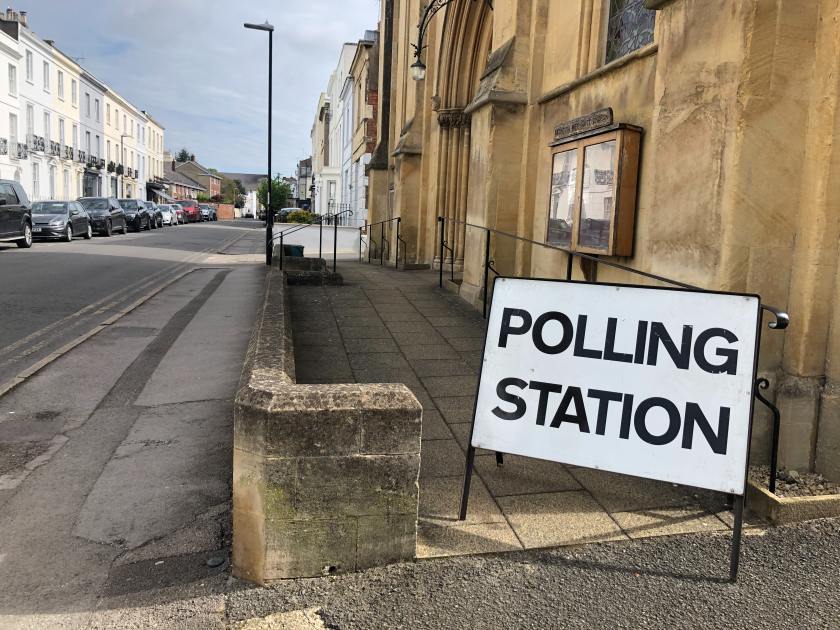
There seems to be a reasonable chance that the UK could well find itself heading in to another general election in the not too distant future.
Anyone involved in influencing policy needs to make sure that they are prepared. As well as being an important point in the lifecycle of a government, it is also be a test of the success and effectiveness of your relationship building, and an opportunity to try to get some of your issues and themes reflected in the policy agendas that the political parties will be developing.
For those involved in influencing policy, it is important to be aware that there are two distinct phases to an election. The first phase involves the development of the party manifestos, which presents an important opportunity to try to get your messages and priorities across. The second phase is the election campaign itself which is an opportunity to raise awareness and build relationships with candidates (and therefore incoming MPs).
With a general election seemingly an increasing possibility, in this post I offer some tips and tricks for both of these election phases. With some good planning, strong relationships and a bit of luck, you can find your issue on the agenda for one or more of the parties hoping to win the election.
Tip #1: Manifestos aren’t written in a day
There is a widespread misconception that party manifestos are written weeks or even months in advance of a general election. This isn’t true. In most cases, manifestos are put together in the first couple of weeks after the election starting gun has been fired. The political parties will look back at previous policy commitments that might have been made in the preceding months, and will look to combine them with some new headline-grabbing policy promises. If you have been fortunate enough to get your messages and priorities in front of politicians in the weeks and months prior to an election being called, you’ll be at a huge advantage. Even if you haven’t, there is still value in trying to get your points across. The first challenge will be to identify who the individuals are that have been tasked with drafting the party manifestos.
Tip #2: Offer simple solutions
Once you have identified who the people are that are drafting the manifestos (and found out how to get to them), you will need to come up with simple and solution focused recommendations. Now is not the moment for long, complex policy briefings – short, punchy and evidence-based recommendations are much more likely to get their attention. I recall one election campaign in which I got in touch speculatively with a politician tasked with drafting the party manifesto to offer up a simple policy suggestion. It was a two-line suggestion, which, to my surprise, found its way in to the final manifesto.
Tip #3: Set out your own priorities
One thing that a lot of organisations do is publish their own priorities for the next government. Some organisations refer to these documents as their own ‘manifesto’, but this isn’t something that sits well with me, as these are not proposals being put to the electorate to vote on. However, a document which sets out what you see as the key challenges or opportunities for the next government can be a useful tool as you try to influence the manifesto development process.
Tip #4: Politics matters a lot
In a previous post, I pointed out how important it is to be sensitive to different party ideologies and values when trying to influence policy. This is particularly true when you are trying to pitch ideas for potential inclusion in the manifesto. If you try to pitch the same solution in the same way to different parties, you’re also certainly doomed to fail. Think carefully about how your suggestions align with party priorities and ideology. And if you’re a charity, don’t forget that there are special rules for charities during an election campaign which must be followed – these are in addition to normal guidance on the need to remain politically neutral.
Tip #5: Officials can’t help
As someone working to influence and shape the policy agenda, you’re very likely to have some of your strongest relationships with civil servants working in relevant parts of government. However, once an election has been called, those officials can’t help you. So, if you’re trying to persuade the incumbent party to adopt your ideas as part of its manifesto offering, you’re going to need to work within the party machinery, and not the civil service. This is one of the many reasons why building relationships with politicians is so important.
Tip #6: Don’t forget devolution
Devolution complicates campaigning during an election campaign. If the issue that you are particularly interested in is something that is the responsibility of the devolved administrations, campaigning for Westminster political parties or candidates to take action is going to be more complicated. You’ll need to think carefully about who you need to reach, and what the UK government, or a UK Member of Parliament, could actually do.
Tip #7: 650 elections on the same day
Our parliamentary system means that a general election is simply all 650 constituencies electing an MP on the same day. This is important to bear in mind, as it reminds us all of the importance of thinking (and acting) locally during the election campaign. It’s a great opportunity to mobilise supporters to reach out to candidates standing in their local constituencies (much harder for candidates to ignore contact from would-be constituents than it is for them to ignore messages from a national organisation). Template letters can be a really great way of making it easy for supporters and activists to help amplify your messages and priorities.
Tip #8: Hustings can be really effective
Organising hustings can be a really effective way of getting your issues discussed and debated. You might think about organising a national hustings with party spokespeople with responsibility for the policy area that you are engaged with. You might also want to encourage your local supporters and activists to organise local hustings with local candidates. It’s important to remember that if you are organising hustings, you should take steps to make sure that all parties and candidates have an opportunity to take part. Even if you are not organising or hosting hustings yourself, going along to events organised by others and raising a well-placed question can be a surprisingly effective way of getting candidates talking about the issues that matter to you.
Tip #9: Play the long game
An election is obviously a vitally important political event, but it’s also important to play the long game. An election campaign will not only elect a new government to deliver on its manifesto commitments, but also will elect the MPs that you will be working with for up to the next five years.
Tip #10: Stay on the right side of the rules
If you are planning campaigning activities during the election, make sure that you check whether or not you might need to register as a ‘non-party campaigner’. A non-party campaigner is an organisation that campaigns during an election but does not stand candidates. If your campaign plans intend to encourage (or discourage) voters from supporting a particular party or candidate, you may fall within the definition of a non-party campaigner, and be required to register with the Electoral Commission. The Electoral Commission, which overseas elections, carefully monitors what political parties and other organisations spend on election campaigns to make sure that elections remain free and fair.
Election campaigns are really important events for anyone seeking to influence the policy agenda. In the initial phase of the election, they provide one final opportunity to try to get your issues and priorities into the manifestos of parties seeking to get the keys to Number 10. As the campaign shifts to a local level, they are also an important way to raise the profile of the issues that matter to you with local candidates.
What is your experience of trying to influence policy during an election campaign? Share your thoughts in the comments below.
If you or your organisation are looking to do more policy influencing work, and would like some pro bono advice, I’d be happy to have a chat. Just drop me a line via the ‘Contact’ link above, or email me at hello@thepolicycoach.co.uk

 thepolicycoach.co.uk
One thought on “Countdown to a General Election?”